
Jabil stock holds above $300 as AI growth supports outlook
Published on 08/31/2026 at 20:15 | Editorial responsibility: Rafael Müller, Editor-in-Chief AD HOC NEWS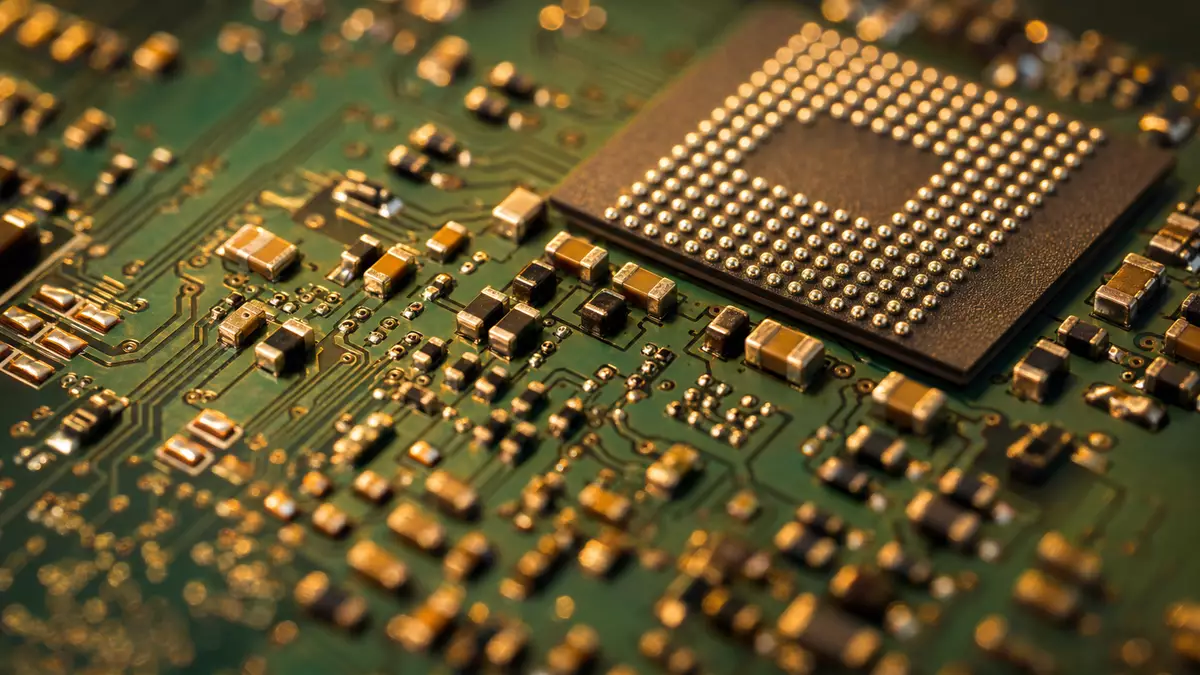
Jabil Inc. (US46612W1036) stock was quoted close to $301 on the New York Stock Exchange at the most recent completed session, giving investors a clear picture of the company’s valuation as of August 28, 2026.
Recent market data as of August 28, 2026 shows Jabil’s shares at $301.45 on the NYSE, down 3.45% on the day, while a parallel quotation at $301.29 on CBOE reflects similar trading levels and confirms the stock’s position a little below the $305 mark.
In the same data set, a performance table for 2026 points to a year-to-date gain of 32.10%, indicating that Jabil stock has moved significantly higher over the course of the year even with the latest pullback.
Valuation, price targets, and consensus
The latest consensus snapshot for Jabil as of August 28, 2026 describes the shares with a Buy rating based on a blended score derived from one strong buy recommendation, eight buy recommendations, and one hold recommendation, signaling a broadly positive view among covering analysts.
The same overview lists an average price target of $453.67 for Jabil stock versus the current price of $301.69, implying upside potential of 50.4% if the stock were to reach that target, a numerical gap that underlines how optimistic forecasts are compared with the prevailing market valuation.
The data also reports that Jabil has drawn recent commentary linked to AI and automation growth opportunities, with headlines highlighting that the company is being discussed in the context of AI revenue expansion and automation demand, reinforcing the narrative that technology-driven end markets are central to the long-term thesis around the stock.
Market performance in a volatile backdrop
The broader US equity environment around August 31, 2026 has turned more volatile, with major indices giving back part of recent gains, which provides context for Jabil’s latest price movements.
A recent market recap for August 31, 2026 reports that the Dow Jones Industrial Average closed down 0.9% at 53,885.10 and the S&P 500 finished 0.3% lower at 7,711.76, showing a modest pullback after a week in which both indices rose 0.5% and the Nasdaq Composite advanced 0.9% on the back of better-than-expected second-quarter 2026 earnings.
Within that environment of softer index performance amid geopolitical tension and firm oil prices, a stock like Jabil that is still up 32.10% year to date as of the latest available performance table stands out as a name that has already delivered substantial gains, which influences risk-reward considerations for investors.
Earnings and dividend context
For fundamental context, historical dividend information shows that investors of record on August 14 in a prior year were entitled to a quarterly dividend of $0.08 per share, representing an annualized payout of $0.32 and a dividend yield of 0.1% at the time.
With that payout level, Jabil’s dividend policy translates into a payout ratio of 4.00%, indicating that only a small portion of earnings has historically been returned to shareholders in cash and that most profits have been retained for reinvestment or other uses.
This relatively low payout ratio provides flexibility for the company to continue funding growth initiatives in areas such as AI-related hardware manufacturing, healthcare, and industrial automation without a heavy dividend burden, a factor that can matter for long-term capital allocation decisions even if the current yield is limited.
AI and automation as growth drivers
Recent commentary on Jabil emphasizes the company’s exposure to AI and automation, with coverage describing its growth runway in these segments as a key reason for continued interest in the shares.
The narrative centers on expectations that AI-related hardware, data center infrastructure, and automation solutions will require sophisticated design, engineering, and manufacturing support, roles in which Jabil has positioned itself through its diversified portfolio and customer base.
By aligning capacity and capabilities with AI servers, networking equipment, and automation systems, Jabil aims to capture incremental revenue streams as enterprises and cloud providers expand their infrastructure, a trend that investors interpret as supportive of both future earnings growth and the relatively high consensus price targets currently attached to Jabil stock.
Representative product and business segment
One representative area of Jabil’s business is its design and manufacturing services for advanced electronics modules used in industrial automation systems, including control units, sensor interfaces, and connectivity hardware.
These products typically combine high reliability requirements with complex supply chains, and Jabil’s ability to handle engineering, prototyping, and mass production for such modules helps customers shorten development cycles and scale deployment in factories and production lines.
As adoption of automation technologies spreads across industries ranging from automotive to healthcare equipment, demand for such modules can translate into steady revenue streams and reinforce Jabil’s role as a strategic manufacturing partner for companies investing in efficiency and digitalization.
Shares hold above the $300 level
As of the most recent completed trading session on August 28, 2026 at 3:58 p.m. ET, Jabil stock closed at $301.69 on the NYSE, with a parallel quote of $301.29 reported on CBOE, keeping the shares above the $300 level despite a daily decline of more than 3%.
Given the year-to-date gain of 32.10% highlighted in the performance table for 2026 and the gap between the current price and the consensus target of $453.67, the current quotation leaves room for upside if analyst expectations on AI and automation growth are met, while also reminding investors that the stock has already seen a substantial re-rating during the year.
Fact box
Company: Jabil Inc.
ISIN: US46612W1036
Ticker: JBL
Exchange: NYSE
Price (as of August 28, 2026, 3:58 p.m. ET): $301.69 USD
Market cap: $6.38 billion (as of August 28, 2026)
Sector / Industry: Technology hardware, electronics manufacturing services
Index membership: S&P 500


