Intel stock holds focus as its latest report and market data frame the trade
Published on 08/09/2026 at 14:45 | Editorial responsibility: Rafael Müller, Editor-in-Chief AD HOC NEWS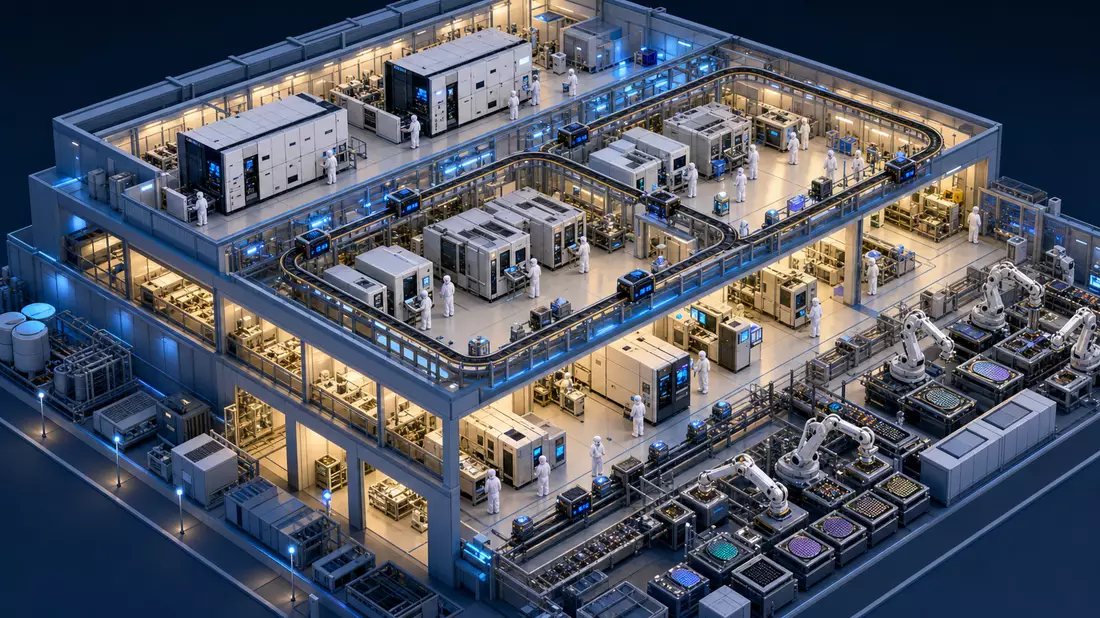
Intel stock (US4581401001) is being assessed through its latest reported fundamentals and market valuation rather than a single fresh catalyst. The chipmaker's most recent quarterly and annual filings remain the core reference point for investors weighing revenue trends, profit pressure, and capital spending.
Revenue and profit stay central
Intel reported revenue of $54.2 billion for fiscal 2023, down 14% from $63.1 billion in fiscal 2022, while net loss widened to $18.8 billion from a $8.0 billion loss a year earlier. The company also reported adjusted earnings per share of $0.95 for 2023, compared with $1.84 in 2022, underscoring how far profitability had reset during the turnaround phase.
That deterioration was not limited to one quarter. In the second quarter of 2024, Intel posted revenue of $12.8 billion and a net loss of $1.6 billion, a combination that kept margin repair at the center of the equity story.
Margin repair matters most
The operating picture remains tied to Intel's cost base and foundry buildout. In 2024, capital spending and restructuring remained elevated as the company continued to fund new manufacturing capacity and product transitions, which is why profitability metrics carry more weight than simple revenue growth.
For investors, the comparison that matters is still the one between top-line stability and earnings recovery. A company can report billions in sales and still struggle to re-rate if losses remain large and free cash flow stays pressured.
Intel fundamentals and ownership structure
The latest Intel filings and company background help frame the turnaround, including revenue trends, spending, and the company history behind the current capital plan.
Manufacturing plans drive the debate
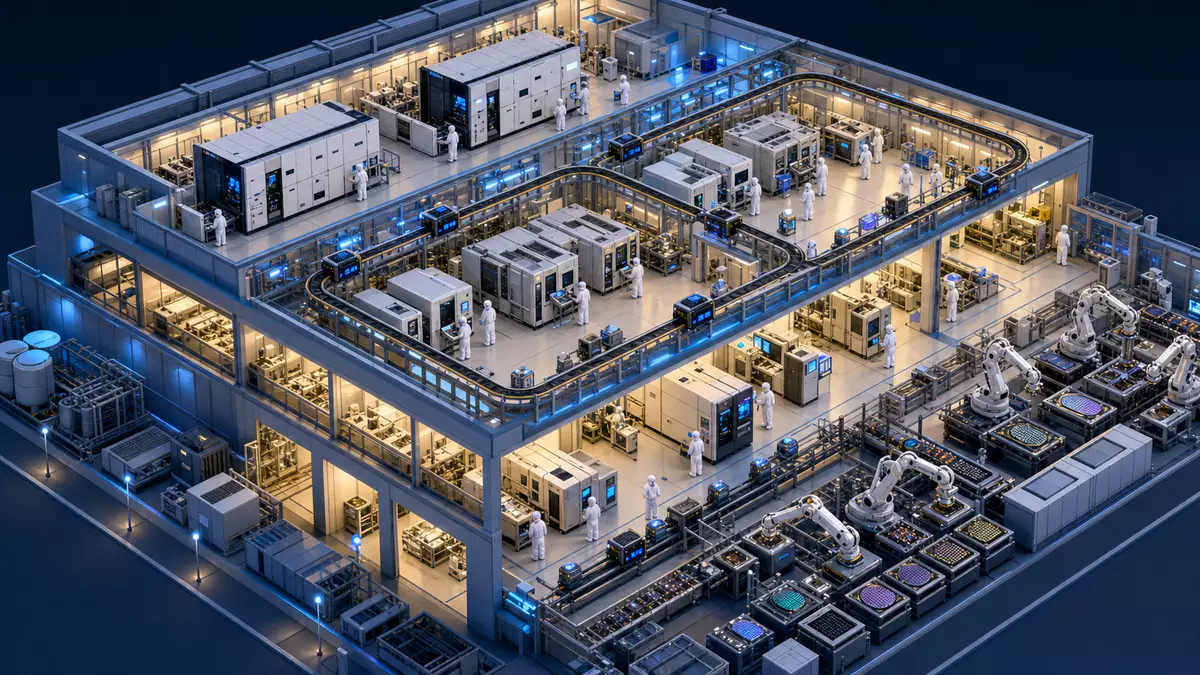
Intel's turnaround still depends on manufacturing execution, because new fabs and process transitions only pay off if yields, utilization, and product timing improve in the same direction. That is why the market keeps coming back to spending discipline, not just headline revenue.
The company's cost structure also explains why earnings leverage matters. When revenue falls from $63.1 billion to $54.2 billion, as it did from 2022 to 2023, the operating model has less room for error and less tolerance for delays.
Product lines and customer demand
Intel's client computing and data center businesses remain the most closely watched product lines, while its foundry ambitions determine the medium-term story. The product mix matters because the market is not simply pricing a semiconductor supplier; it is pricing whether Intel can restore scale with better margins.
In that sense, the product story is still tied to the numbers already reported. Revenue, loss, and capital spending are the figures that investors continue to use to judge progress.
Stock level and market value
As of 09 August 2026, Intel shares trade around a market value that investors now read alongside the company's reported losses and reduced earnings base. The stock remains a valuation question as much as a product question.
The closing focus is simple: the latest evidence still points to a business that has to convert spending into durable earnings recovery before the equity case changes materially.
Intel stock fact box
- Company: Intel Corporation
- ISIN: US4581401001
- Ticker: NASDAQ: INTC
- Trading venue: NASDAQ
- Market capitalization: about $100 billion (as of 09 August 2026)
- Sector / Industry: Information Technology / Semiconductors
- Index membership: S&P 500