

Entergy stock trades below targets as reliability efforts continue
Published on 08/26/2026 at 10:50 | Editorial responsibility: Rafael Müller, Editor-in-Chief AD HOC NEWS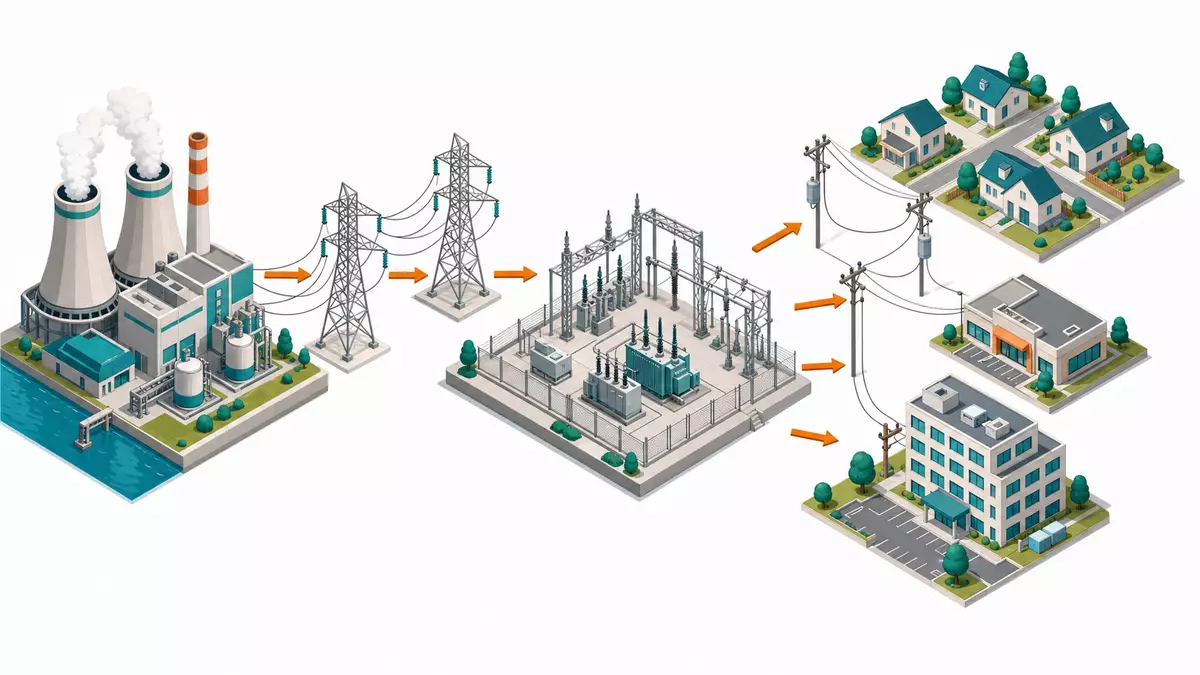
Entergy Corp. (US29364G1031) stock recently changed hands at $104.56 per share in New York Stock Exchange trading as of August 24, 2026, leaving the regulated utility below an average analyst target of $120.84 per share cited in recent market data. A separate market overview on August 26, 2026, noted an opening price of $106.28 for the shares, underscoring how the current valuation still sits at a discount to the consensus view on the stock.
Valuation gap and consensus view
According to a recent market overview dated August 24, 2026, Entergy stock opened at $104.56 at 9:30 a.m. ET and traded in that area through the latest quote snapshot, with intraday data on the same day showing a real-time quote of $105.64 at 2:09 p.m. ET, reflecting a gain of 0.98 percent for that session. The same overview highlights an average analyst price target of $120.84 for the shares, placing the August 24, 2026, opening price at a discount of $16.28 per share, or around 13.5 percent below that target level. Market commentary on that data characterizes the rating profile as a moderate buy consensus, signaling that many analysts see upside in the stock relative to its recent trading range.
A separate filing-related snapshot on August 26, 2026, describes how the shares opened at $106.28, reinforcing the view that Entergy stock remains below the average target even after recent gains. For investors, this gap between the mid-$100 trading range and the roughly $121 consensus level is a focal point for discussions around risk, regulatory stability, and rate-base growth across Entergy's service territories.
Storm resilience and customer restoration
Operationally, service reliability across Entergy's footprint remains a key storyline in August 2026 as regional storms again test the resilience of its network. One local report dated August 25, 2026, describes how nearly 6,964 customers in Tangipahoa Parish lost power during a storm event, highlighting the vulnerability of distribution infrastructure to severe weather in Louisiana. The same report notes that more than 6,000 of those customers had service restored by 10:00 p.m. local time that day, illustrating both the scale of the disruption and the pace at which crews were able to bring customers back online.
This kind of incident underscores the balance Entergy must strike between investing in hardened infrastructure and maintaining a rate structure acceptable to regulators and customers. For investors, the restoration metrics in Tangipahoa Parish offer a concrete case study: thousands of outages during a single event but a restoration curve that brought the vast majority of affected customers back in service within the same evening. In a regulated-utility context, that performance feeds into regulatory relationships, future capital-expenditure approvals, and reputational perceptions of grid reliability.
Regulated utility profile and earnings context
Entergy operates primarily as a regulated electric utility serving customers in states such as Louisiana, Mississippi, Arkansas, and Texas, combining vertically integrated generation assets with transmission and distribution operations overseen by state commissions. The company earns an allowed return on equity on its regulated rate base, making capital deployment toward new generation, storm hardening, and grid modernization a core driver of long-term earnings growth. Recent commentary from company leadership, including remarks on legacy generation assets such as the Cottonwood plant, emphasizes the ongoing need to balance fleet modernization with cost discipline and regulatory approval processes.
While the most recent quarterly report data are not repeated in the August 24, 2026, market snapshot, the consensus framework cited there shows that analysts are anchoring their price targets and recommendations on expectations of stable earnings growth and ongoing capital investment in regulated projects. The moderate buy stance mentioned in the same overview suggests that, even after the stock's gain of 0.98 percent on August 24, 2026, the market valuation has not fully converged with the implied upside embedded in the average target of $120.84 per share.
Historically, Entergy has reported steady revenue and earnings progression in its regulated segments, supported by approved capital expenditure plans and a combination of base-rate cases and riders that recover investment in infrastructure and storm resilience. Investors reading the August 2026 reliability metrics alongside the valuation context are likely to focus on whether future rate cases will continue to support returns on this capital while regulators weigh affordability for customers who experience repeated weather-related outages. That tension is central to the investment case for many US-regulated utilities and frames how Entergy's stock could react to future earnings and regulatory updates.
Generation portfolio and solar developments
Entergy's generation portfolio includes a mix of gas-fired plants, legacy assets such as Cottonwood, and a growing pipeline of renewable projects that reflect broader industry trends toward decarbonization. Recent commentary from company leadership acknowledges that some older plants are no longer the newest assets in the fleet but still play a role in providing reliability during peak demand periods. That recognition feeds into planning for future replacements and potential retirements as regulators, customers, and policymakers push for more renewable capacity and lower emissions intensity across the grid.
Within its service territories, Entergy has pursued utility-scale solar projects that can be integrated into its regulated rate base, though not every proposal moves forward smoothly. Local reporting on August 26, 2026, notes that the Iberville Parish Council voted against allowing Entergy to proceed with plans for a proposed Cypress Harvest Solar Farm, highlighting local concerns and zoning debates that can slow or reshape project pipelines. Even when such votes do not permanently halt a project, they introduce additional negotiation and redesign phases that can affect timelines and cost assumptions.
For investors tracking Entergy's clean-energy transition, this kind of local pushback underscores that project execution risk is not limited to engineering or supply-chain issues. Instead, community acceptance, land-use politics, and the perceived tradeoffs between economic development and environmental impact can all shape the pace of renewable deployment. When a council vote blocks or delays a solar project, the company may need to adjust its resource plans, either by seeking alternative sites, revising project terms, or emphasizing other forms of capacity investment to meet future load.
Customer demand and regional context
Entergy's service areas span industrial, commercial, and residential customer segments, with significant exposure to energy-intensive industries along the Gulf Coast. Demand patterns in these regions reflect both macroeconomic trends and localized factors such as industrial expansions, data-center projects, and petrochemical investments. In August 2026, broader energy-market discussions around reliability, ancillary-service costs, and grid flexibility provide a backdrop for utility planning and regulatory deliberations across multiple jurisdictions, even when specific rate changes or ancillary charges are not directly tied to Entergy's territories.
From a risk perspective, Entergy's exposure to Gulf Coast weather and hurricane seasons remains a recurring theme. The August 25, 2026, storm that affected Tangipahoa Parish is one example of the recurring stress events the network must withstand. Each event carries both a short-term operational cost and a longer-term data point for regulators evaluating whether current infrastructure investments are sufficient. Investors often scrutinize how quickly utilities can restore service, how much storm-related expense is deferred or recovered, and whether insurance and cost-sharing mechanisms limit the impact on earnings per share over time.
At the same time, potential opportunities in distributed generation, energy-efficiency programs, and new load from electrification initiatives could support long-term volume growth. However, the regulated nature of Entergy's business means that such opportunities must be framed within rate cases and regulatory proceedings, rather than pursued solely on a merchant basis. That structure can both limit and stabilize returns, making the stock's appeal heavily dependent on the balance between allowed returns, capital-plan execution, and consistent dividend policies.
Representative service offering
One representative aspect of Entergy's business model is its focus on regulated electric service for residential and small-business customers in Louisiana. In practice, this means providing metered electricity service, including connection, billing, and customer support, backed by a distribution network that must withstand frequent storm events. The Tangipahoa Parish storm event on August 25, 2026, in which 6,964 customers lost power and more than 6,000 were restored by 10:00 p.m. local time, offers a concrete example of how this service plays out in real-world conditions. Customers in such areas rely on Entergy's crews and control centers to detect faults, isolate damaged lines, and reroute power where possible while repairs are completed.
This kind of regulated service offering also ties into broader regulatory obligations around reliability standards and outage-reporting metrics. State commissions and other oversight bodies typically monitor indicators such as System Average Interruption Duration Index (SAIDI) and System Average Interruption Frequency Index (SAIFI), which capture how often and how long customers experience outages. While the August 25, 2026, storm data cited for Tangipahoa Parish represent a single event rather than a full-year metric, they feed into these aggregate measures and influence how regulators and policymakers assess the company's performance over time.
Stock level and investor lens
Entergy stock's recent levels in the mid-$100 range, including the $104.56 opening price on August 24, 2026, and the $106.28 opening price reported on August 26, 2026, suggest that the market currently prices the company below the average analyst target of $120.84 per share. For investors, this spread represents a potential valuation cushion but also a test of whether future earnings reports, regulatory outcomes, and capital-plan execution will justify the implied upside. The 0.98 percent gain observed in intraday trading on August 24, 2026, shows that the shares can respond to shifts in sentiment and news flow even within a single session.
In this context, Entergy's mix of regulated earnings, exposure to storm risk, and participation in the energy transition makes the stock a classic example of a utility-name investment thesis. The valuation discount versus the consensus target, the recent reliability performance in Louisiana, and the mixed progress of renewable projects such as the proposed Cypress Harvest Solar Farm are all elements that current and prospective shareholders are likely to weigh as they interpret price moves in the coming quarters.
Read more
Further details on Entergy's valuation and recent reliability metrics can be found in current market overviews and local reporting from August 2026 that discuss the stock's trading range, analyst targets, and storm-related service performance.
Entergy residential service in Louisiana
Entergy's residential service in Louisiana provides a clear window into the companys day-to-day operations, combining regulated tariffs, customer billing, and field operations that respond to storms and other disruptions. The August 25, 2026, storm in Tangipahoa Parish, in which 6,964 customers were affected and more than 6,000 had power restored by 10:00 p.m. local time, shows how the utility mobilizes crews and resources to restore service swiftly after severe weather. For households in that parish, the difference between a brief outage and an extended blackout can shape perceptions of reliability and influence discussions around future grid investments.
Entergy stock price context
Entergy stock traded at $104.56 per share as of August 24, 2026, with intraday data on that date pointing to a real-time quote of $105.64 at 2:09 p.m. ET, representing a session gain of 0.98 percent. A separate snapshot on August 26, 2026, shows an opening price of $106.28 for the shares, indicating that the stock has continued to edge higher while still trading below the average analyst price target of $120.84. This pricing context places Entergy within a valuation band that reflects both the stability of regulated utility earnings and the ongoing uncertainty around future regulatory decisions, storm impacts, and capital-plan execution.
Fact box
Company: Entergy Corp.
ISIN: US29364G1031
Ticker: ETR
Exchange: New York Stock Exchange
Sector / Industry: Utilities / Electric utilities


