
BVB stock slips after 2025/ 2026 loss as guidance points to stabilization
Published on 08/21/2026 at 14:43 | Editorial responsibility: Rafael Müller, Editor-in-Chief AD HOC NEWS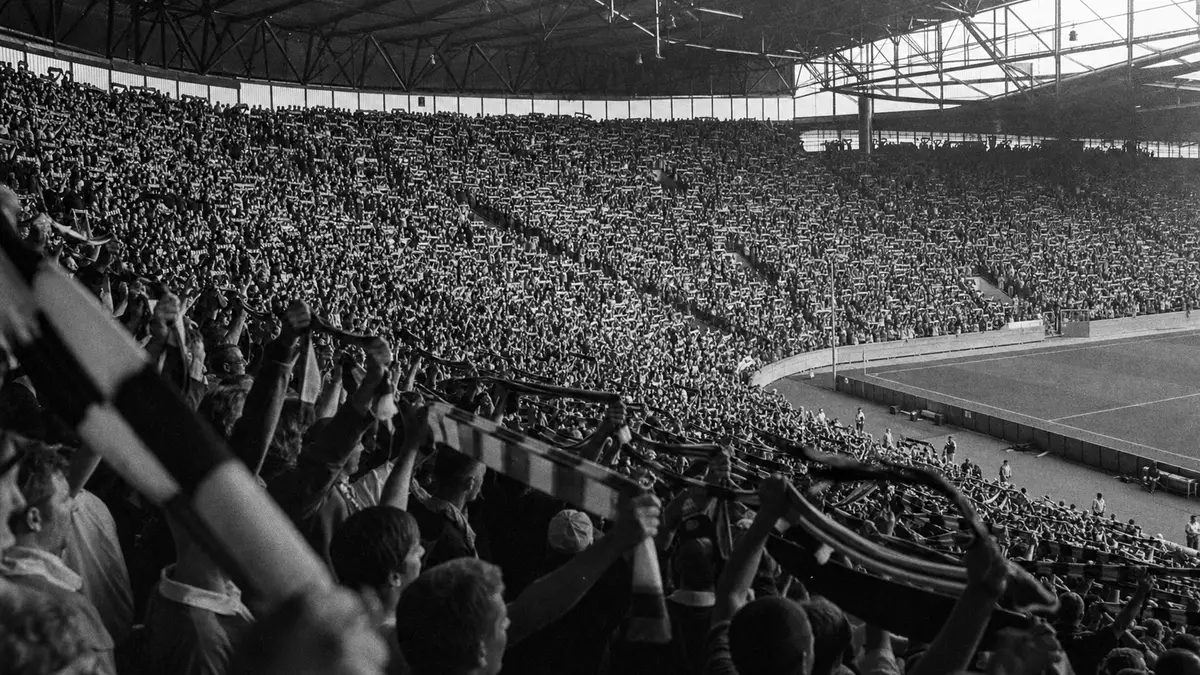
Borussia Dortmund GmbH & Co. KGaA (BVB, ISIN DE0005493092) stock is trading in the low single digits in August 2026 after the club reported a consolidated net loss of €21.7 million for the 2025/2026 financial year and set cautious guidance for 2026/2027 on August 21, 2026. Per a same-day market snapshot, the shares most recently changed hands at €3.16, highlighting how the weak earnings picture is weighing on the valuation.
Annual loss reflects weaker UEFA and broadcasting income
According to a news report summarizing the annual financial figures released on August 21, 2026, BVB posted a consolidated net loss of €21.7 million in the 2025/2026 season, compared with a net profit of €6.5 million in the prior year. This marks a swing of €28.2 million year-over-year and underscores how sensitive the club's bottom line is to European competition revenue and broadcasting income. The same coverage notes that revenue in the 2025/2026 financial year fell to €460.5 million, a decline of €65.5 million compared with the previous season's €526.0 million, largely due to an earlier exit from the Champions League.
An ad-hoc disclosure of preliminary numbers for the 2025/2026 year adds further detail on operating profitability. It reports that the club generated EBITDA of €92.2 million in 2025/2026, down from €115.9 million in the previous year, while the result before income taxes (EBT) came in at a loss of €20.3 million versus a profit of €9.5 million in 2024/2025. That means EBITDA fell by €23.7 million year-over-year and EBT worsened by €29.8 million, confirming that both core operations and overall profitability were materially softer than in the prior season.
The same preliminary figures show that gross group performance, defined as revenue plus transfer income, decreased from €589.6 million to €537.2 million in 2025/2026. This €52.4 million decline reflects lower UEFA distributions and reduced television revenue, partly offset by higher proceeds from player transfers. The result from transfer transactions itself rose strongly, from €37.8 million to €59.3 million, indicating that BVB relied more on transfer gains to support its income statement when match-related and media revenues came under pressure.
Cost discipline and guidance for a return to breakeven
In the same set of 2025/2026 preliminary figures, management highlighted tangible progress on cost control. Personnel expenses in the group declined from €268.3 million to €259.9 million, a reduction of €8.4 million. Other operating expenses fell even more sharply, from €162.3 million to €145.4 million, a drop of €16.9 million. These reductions helped to partially offset the revenue shortfall, even though higher depreciation charges, which increased from €105.3 million to €111.4 million, and a slightly weaker net financial result kept the bottom line in negative territory.
A separate news article on the annual press conference provides insight into BVB's guidance for the current 2026/2027 financial year. Management expects the consolidated net result to be between breakeven and a profit of up to €10 million, implying a swing of up to €31.7 million from the €21.7 million loss just reported for 2025/2026. For revenue, the outlook calls for a corridor of €485 million to €495 million, which would be €24.5 million to €34.5 million higher than the €460.5 million achieved in the last financial year. The guidance suggests that the club is targeting a gradual recovery in earnings power, supported by slightly stronger top-line growth and ongoing cost discipline.
The same guidance emphasizes that future profitability should rely less on large player disposals. Management indicated that BVB intends to retain more of its squad core and focus its growth initiatives on digital and international expansion. For investors, this means that future transfer income may be more balanced rather than driven by occasional very large sales, while new revenue streams outside traditional matchday and broadcasting channels could play a bigger role over time.
Market reaction and valuation context for BVB stock
Market data pages tracking BVB shares on European trading venues show that the stock most recently traded at €3.16 per share, with the previous close at €3.17 on August 20, 2026. One quote overview indicates a last close of €3.17 and an intraday price of €3.16 on August 21, 2026, confirming that the shares are little changed on the day but still sitting close to their recent lows. A separate sector comparison page lists a price of €3.150 for the stock and notes year-to-date performance modestly in negative territory, underscoring that the equity has lagged broader indices as the loss-making year came into view.
This price level also sits well below the 12-month levels seen before the revenue decline. A German-language business article covering the press conference mentions that the share price stood at €3.17 in the morning of August 21, 2026 and had fallen by more than 13 percent over the last 12 months. At €3.17, that one-year decline corresponds to investors discounting both the 2025/2026 earnings disappointment and concerns about UEFA-related volatility, while the current guidance for a return to breakeven in 2026/2027 now provides a potential stabilizing narrative.
From a valuation standpoint, the combination of an annual net loss and a relatively low share price implies that the market is cautious about near-term profit visibility. However, the improved transfer result of €59.3 million in 2025/2026 versus €37.8 million in the prior year, together with lower personnel and other operating costs, suggests that BVB has levers to rebuild profitability if sporting performance and UEFA participation improve. The guidance range for revenue, which targets a mid-single-digit percentage increase over 2025/2026, supports the idea of a gradual rather than abrupt recovery.
Matchday experience and brand-driven revenue
Beyond the headline numbers, BVB remains heavily exposed to matchday and fan-related income streams. The club's home matches at Signal Iduna Park in Dortmund are central to its business model, generating ticketing, hospitality, and merchandising revenue across domestic Bundesliga fixtures and European competitions. High attendance levels and a strong fan culture underpin this part of the income statement, making stadium utilization and game schedules sensitive drivers for revenue volatility from year to year.
Commercial partnerships and sponsorships contributed to the advertised revenue base of €460.5 million in 2025/2026 and are expected to support the projected corridor of €485 million to €495 million in 2026/2027. As media reports highlighting the financial results note, advertising income has continued to grow even as television and UEFA distributions declined. For investors, that signals resilience in the club's brand and corporate relationships, which may help smooth earnings through cycles where sporting results are less favorable.
BVB stock price snapshot
As of the latest available quote for August 21, 2026, BVB stock is trading around €3.16 on its home market listing in Germany, with a previous session close at €3.17 on August 20, 2026. This leaves the shares down more than 13 percent over the past 12 months, reflecting the impact of the €21.7 million net loss for the 2025/2026 season on investor sentiment.
Read more
Further details on BVB's preliminary 2025/2026 figures
Signal Iduna Park as a core asset
Signal Iduna Park, BVB's home stadium in Dortmund, is one of the largest football arenas in Germany and represents a key physical and emotional asset for the club. The venue's capacity and design enable high matchday revenues through ticket sales, hospitality offerings, and corporate boxes. It also serves as a platform for sponsor visibility, with naming rights and in-stadium branding contributing directly to commercial income.
Stadium utilization is tightly linked to the club's sporting calendar, with Bundesliga home games forming the backbone of matchday revenue and European fixtures adding a higher-margin layer when BVB qualifies for continental competitions. In seasons where early exits from tournaments reduce the number of high-profile matches, the contribution from Signal Iduna Park to total revenue can contract, which was a factor in the 2025/2026 decline. Conversely, deeper runs in UEFA competitions can quickly lift both ticketing and ancillary sales.
BVB stock anchored to home listing
BVB stock is listed on a German exchange, where it trades in euros and reflects both the club's sporting performance and its financial outcomes. At a recent price of around €3.16 as of August 21, 2026, the shares embody investors' cautious stance after a loss-making 2025/2026 season but also the potential upside if management delivers on its guidance for a net result between breakeven and a €10 million profit and revenue of €485 million to €495 million in 2026/2027.
Fact box
Company: Borussia Dortmund GmbH & Co. KGaA
ISIN: DE0005493092
Ticker: BVB
Exchange: Home German listing, euro-denominated
Sector / Industry: Sports and entertainment


