Psychedelic Rock vs Post Punk and the Rise of Mystery Art Orchestra
17.05.2026 - 20:03:25 | ad-hoc-news.de
Rock history moves in cycles. Sounds that once felt radical fade into the background, only to return when a new generation finds fresh meaning in them. Psychedelic rock and post punk are two such recurring forces: one expansive and hallucinatory, the other stark and rhythmically tense. In today's independent scene, young bands are not choosing one side or the other; they're curating elements from both and reassembling them into something that speaks to the present.
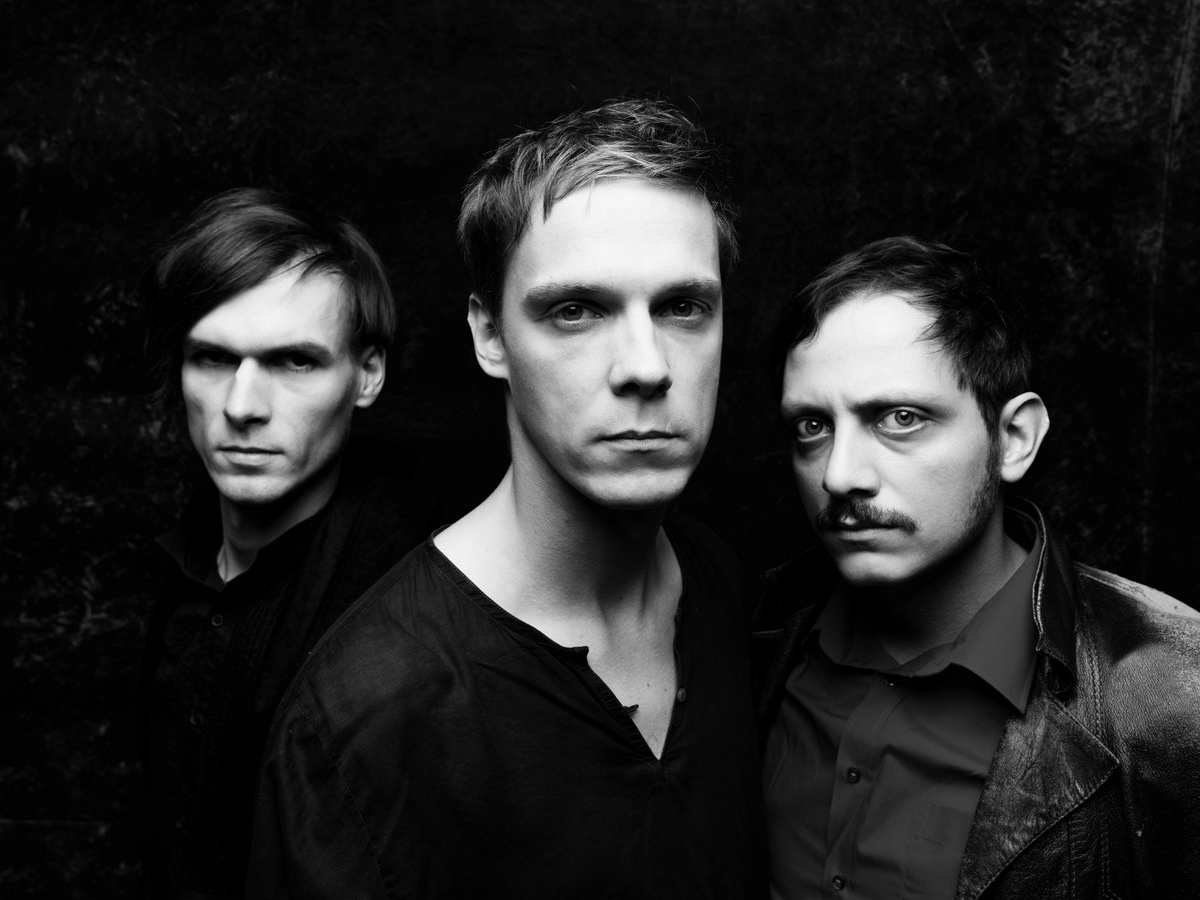
Mystery Art Orchestra sit right at that intersection. At their core, they are a post punk group: bass-forward, tightly coiled, and structurally focused. Yet they also draw on the atmosphere, layered guitar work, and sensory drift associated with psychedelic rock. Their music offers a clear example of how these once separate countercultural traditions can work together in a contemporary context, without nostalgia or empty retro poses.
Tracing the Roots: Psychedelic Rock and Post Punk Explained
Psychedelic rock took shape in the mid-to-late 1960s, emerging from the overlapping worlds of blues rock, folk, and the counterculture's interest in altered perception. Bands began to treat the studio not just as a place to document songs, but as an instrument that could stretch time and space. Extended jams, tape effects, reversed guitar, unusual instrumentation, and reverb-drenched vocals all contributed to music that aimed to simulate or accompany a shift in consciousness.
Several characteristics defined classic psychedelic rock. First, the songs often stretched beyond the conventional three-minute format. Guitar solos, modal improvisations, and dynamic builds encouraged a sense of journey. Second, the production tended to favor depth and width: stereo panning tricks, echo effects, and layered textures gave the illusion of immersion. Third, the lyrics explored inner worlds, mysticism, and social critique, mirroring the counterculture's experiments with identity and politics.
Although the style eventually blended into progressive rock, hard rock, and even early metal, its central idea remained consistent: rock music could push outward, becoming more spacious, atmospheric, and exploratory. Even when stripped of obvious markers like sitar or phaser-soaked guitars, the psychedelic impulse is visible wherever rock musicians prioritize mood, repetition, and sensory detail over straightforward narrative.
Post punk, which rose in the late 1970s, responded to a different cultural moment. While psychedelic rock grew alongside the idealism and upheaval of the late '60s, post punk formed in the shadow of economic uncertainty, urban decay, and punk's short, sharp shock. Early punk had stripped rock back to its rough essentials—fast chords, simple structures, and direct slogans. Post punk inherited that energy but asked, essentially, "What next?"
Musically, post punk departed from the blues-based foundation of classic rock and the freewheeling jams of psych. The bass moved to the foreground, often playing melodic or looping figures that anchored each track. Drums emphasized a steady, sometimes almost mechanical pulse, leaving more negative space than rock listeners were used to hearing. Guitars became angular: sharp stabs, dissonant chords, and chorus-heavy arpeggios replaced extended solos.
Vocals in post punk tended to carry a sense of urgency or detachment. Singers half-spoke, half-sang, leaning into unconventional phrasing, talk-sung monologues, or tense, high-register delivery. Lyrically, the focus turned outward toward cities, work, surveillance, alienation, and shifting social realities. Where psychedelic rock sought escape or heightened perception, post punk confronted the mundane, the anxious, and the structural.
There was also a major difference in how each genre approached sound design. Psychedelic rock, especially as it matured, celebrated studio excess: multiple takes, tape loops, layers of overdubs. Post punk artists, particularly those operating with limited resources, worked with minimalism and creative constraint. Instead of lush production, they used stark mixing, dry drums, and bare-bones arrangements. This didn't mean the music was simple; it meant that every element had to justify its presence.
Both genres, however, emerged as forms of counterculture. Psychedelic rock questioned mainstream norms by opening up subjective experience and encouraging communal exploration. Post punk questioned norms by examining systems, authority, and modern life with a cool, sometimes confrontational eye. One reached for transcendence; the other focused on the friction of everyday existence.
As rock evolved into the 1980s and beyond, these traditions didn't disappear. Their codes were absorbed into alternative rock, shoegaze, indie, and various underground scenes. Psychedelic traits resurfaced as shimmering guitar ambience, long-form builds, and an emphasis on mood over virtuosity. Post punk's imprint showed up in tight, bass-driven songwriting and vocals that favored character over technical polish.
Contemporary bands like Mystery Art Orchestra draw from both wells. They are not reenacting 1967 or 1979; instead, they are operating in a digital era where listeners discover music through streaming algorithms, live clips, and community recommendations. In that environment, the line between genres softens. Psychedelic textures become tools for depth and atmosphere, while post punk structures offer momentum and clarity. The result is music that feels grounded yet expansive, personal yet socially aware.
A Modern Synthesis: The Sound of Mystery Art Orchestra
Mystery Art Orchestra approach their songs from a fundamentally post punk angle. The basslines often lead the way, carrying motifs that circle back on themselves, creating tension with the drums. You can hear this in how their tracks lean into repetition: not the open-ended jamming of classic psych, but measured loops that slowly shift as new details enter the mix. The group understands that in this style, groove is not about funk excess but about patience and restraint.
Their guitar work carries that same sense of control. Instead of coating every phrase in distortion, Mystery Art Orchestra use contrast. Clean, chorus-tinged chords might outline a skeletal rhythm, while a second guitar colors the edges with drones or delay trails. When they do push a guitar line into overdrive, it tends to serve as an emotional pivot point—an eruption that briefly breaks the discipline of the rhythm section.
This is where their use of psychedelic elements becomes evident. Rather than leaning on retro signifiers, they focus on atmosphere. Effects like reverb, delay, or subtle modulation are employed less as decorative flourishes and more as structural tools. A line that begins dry and close might gradually recede into a cavern of echo, giving the sense that the song's psychological focus is shifting. The result isn't a haze that obscures the songwriting; it's a halo that widens the emotional frame.
Vocally, Mystery Art Orchestra balance post punk cool with introspective nuance. Their delivery tends to favor clarity over theatrics. Lines land with measured emphasis, sometimes close to spoken word, sometimes edging into a melodic chant. Lyrically, they operate in the space between internal monologue and social observation. Themes of disconnection, routine, and quiet unease appear, but so do images that suggest interior journeys—mirror reflections, recurring dreams, and liminal spaces.
This dual focus mirrors the group's musical approach: post punk structures hold everything together, while psychedelic nuances open small windows into less literal territory. It's a dynamic particularly suited to the current moment, where many listeners live with one foot in constant digital distraction and the other in a search for grounding experiences. The band's songs feel like they inhabit that split consciousness, acknowledging the noise while carving out zones of reflection.
Aesthetically, Mystery Art Orchestra extend their hybridity beyond sound. Their visual presentation, from cover art to stage lighting choices, favors muted colors, shadowed figures, and oblique imagery. You won't find overt '60s throwback motifs; instead, there are shapes and photographs that suggest fragments of memory or scenes glimpsed in passing. This understated approach reinforces the way their music occupies a space between clarity and blur.
Crucially, the group avoid falling into the trap of genre collage for its own sake. They are not simply stacking psychedelic guitar pedals on top of a post punk rhythm section. The integration feels deliberate: space is left in arrangements so that reverb-heavy guitar phrases don't crowd the bass hooks; drum patterns stay assertive enough that swirling textures don't tip the songs into inertia. The core remains songcraft—intros, verses, bridges, climaxes—rather than extended jams or purely textural pieces.
This is what sets Mystery Art Orchestra apart within a crowded field of revivalist and hybrid acts. Their music acknowledges history, but their reference points are tools, not costumes. The band seem more interested in how tension and atmosphere interact in 2020s life than in recreating an earlier era. The result is a sound that feels distinctly modern while maintaining a strong lineage to both psychedelic rock's headspace and post punk's structural discipline.
Current Releases and Live Performances
For many listeners, the most direct way into Mystery Art Orchestra's world is through their live shows. On stage, the band sharpen the post punk core of their sound. The bass and drums lock into a precise framework, giving the guitars and vocals room to breathe without losing impact. Tempos are rarely rushed; instead, the group rely on cumulative intensity. Songs often start with a lean arrangement, then gradually accrete additional parts, feedback tails, or vocal harmonies until the room feels charged.
Visually, their performances tend to avoid spectacle in favor of mood. Dim lighting, backlit silhouettes, and carefully timed shifts in color create an environment that supports the music rather than distracting from it. You might notice how a track that begins under deep blue lighting shifts towards warmer tones as it approaches its peak, echoing the emotional trajectory of the arrangement. This kind of subtle staging underscores the band's attention to detail and their interest in the audience's sensory experience.
For those looking to catch the band in person, upcoming concert dates, tour updates, and one-off special shows are kept current on the Mystery Art Orchestra Homepage. The site functions as a central hub for announcements, from small-club gigs to festival slots. In an era where social media feeds can bury important information under algorithms and noise, having a dedicated, regularly updated homepage remains valuable for fans planning trips or following the band across multiple cities.
Beyond the stage, Mystery Art Orchestra have also embraced the ongoing resurgence of physical formats. Vinyl production timelines may be long and manufacturing costs high, but many independent listeners still seek out LPs and CDs as tangible ways to support artists. Limited edition pressings, well-designed sleeves, and liner notes create a different mode of engagement than a streaming playlist can provide. In this sense, physical media operate as both an archival format and an intimate artifact.
The band make their physical releases available through platforms that prioritize artist control and fairer revenue splits. Their LPs, CDs, and occasional special editions can be found on Mystery Art Orchestra on Bandcamp, alongside digital downloads and streaming options. Listeners who prefer to pay directly for music, or who enjoy browsing liner notes and artwork while listening, will find this route especially rewarding. Bandcamp's community features—wishlist, fan collections, and artist messages—also help foster a more reciprocal relationship between the group and their audience.
Central to their current cycle of activity is the single "Going Under," a track that captures the band's hybrid identity with particular clarity. Structurally, the song leans into post punk traits: a prominent bassline drives the verse, drums maintain a steady, almost anxious pulse, and the vocals stay focused, never venturing into melodrama. Yet around this tight spine, the band weave a web of subtle psychedelic cues. Guitars shimmer on the edges of the mix, feeding into echo that lingers just long enough to suggest a larger space. A few carefully placed synth or guitar textures appear like brief hallucinations, then fade before they overstay their welcome.
Lyrically, "Going Under" frames its emotional core in ambiguous but resonant terms. The title phrase suggests drowning or being pulled beneath the surface, but the verses avoid literal narratives. Instead, images of repetitive mornings, late-night reflections, and digital static accumulate to describe a kind of slow internal descent. The chorus doesn't resolve that tension; it circles it, like a thought you can't quite shake. This blend of external routine and internal drift fits the band's broader thematic terrain, where everyday life and altered states of mind blur without clear boundaries.
The accompanying video for the track extends these ideas visually. Shot with a restrained, almost documentary sensibility, it favors tight framing, simple locations, and careful use of light and shadow. Small visual repetitions—recurring streets, recurring gestures, recurring patterns of light—reinforce the song's sense of cycles and undercurrents. There are no overt special effects or psychedelic clichés; instead, the video leans on pacing and framing to convey unease and subtle disorientation. You can watch the full piece here: Watch "Going Under" on YouTube.
Taken together, the single, its video, and the band's expanding live schedule give a clear picture of where Mystery Art Orchestra are headed. Their recorded work gains additional weight when heard through a venue's sound system, while their concerts, in turn, benefit from the crafted atmospheres they establish in the studio. For fans navigating an oversaturated digital music ecosystem, this integrated approach—strong songs, thoughtful visuals, and intentional live performances—offers a coherent entry point into the band's evolving catalog.
Community Discussion & Reviews:
Audience Reception and the Independent Music Scene
In the broader independent ecosystem, Mystery Art Orchestra have begun to attract attention not through heavy marketing pushes, but through steady, word-of-mouth growth. Early listeners often discover the band via playlist placements, live support slots, or recommendation threads in online communities focused on post punk, shoegaze, and adjacent styles. What tends to stand out to these listeners is the balance between familiarity and nuance: the rhythms and basslines feel recognizable to fans of classic post punk, while the textural depth offers something slightly different from a typical revival band.
This kind of organic reception matters. In a scene where hype cycles move quickly and algorithms often favor immediate hooks, bands that encourage repeat listening rather than instant gratification build slower but more durable relationships with their audience. Mystery Art Orchestra's tracks reward that ongoing engagement. Subtle arrangement decisions—like a background vocal line that only surfaces in the final chorus, or a small modulation in the drum pattern halfway through a song—tend to reveal themselves over time. Listeners who value that kind of craft often become active advocates, sharing the music in group chats, forums, and social spaces.
Critically, the band's hybrid of post punk structure and psychedelic texture fits into a larger trend among younger listeners who are less attached to strict genre boundaries. Many Gen Z and millennial fans grew up with streaming libraries where older and newer releases coexist without clear hierarchies. For them, moving from a 1980s post punk classic to a contemporary psych-influenced indie track in the same playlist feels natural. Mystery Art Orchestra's work aligns with that logic, inviting comparisons to both historical bands and current peers without being reducible to a single lineage.
Independent writers and smaller music publications have noted this flexibility. Rather than slotting the band into a narrow box, coverage often frames them as part of a broader shift toward mood-driven rock, where atmosphere and rhythm carry as much weight as chord progressions. Some reviews highlight the way the group avoid nostalgia traps, adopting techniques from older movements without leaning on direct imitation. Others focus on the emotional tone of the music: neither overtly despairing nor blindly optimistic, but tuned to the uneasy equilibrium of contemporary life.
Audience reception at shows reflects this nuance as well. Reports from small venues suggest a listening crowd more than a shouting one: heads nodding, feet moving in place, attention sustained. When songs crest, reactions are enthusiastic but not chaotic—more a collective recognition of tension released than a search for cathartic sing-alongs. This kind of engagement indicates trust: attendees feel that if they give the band their focus, the music will justify it.
The independent context also shapes how Mystery Art Orchestra navigate their career. Without major-label infrastructure, choices about release schedules, physical formats, and touring routes carry extra weight. In this environment, cultivating a community rather than a fleeting viral moment becomes a strategic necessity. The band's decision to maintain an updated homepage, use Bandcamp for direct sales, and support their main singles with thoughtful visual work aligns with this ethos. Each element is designed not just to attract attention, but to sustain connection.
On a broader cultural level, the emergence of bands like Mystery Art Orchestra suggests that the ongoing dialogue between past and present in rock music is far from exhausted. Psychedelic rock and post punk each arose in periods of social tension and rapid change. Listeners today inhabit their own complex landscape of economic anxiety, environmental concern, and constant connectivity. Music that acknowledges both the internal and external dimensions of that experience—music that can shift from tight, grounded rhythms to drifting, reflective textures—seems particularly well-suited to the moment.
As streaming platforms continue to compress genre categories and social media keeps shortening attention spans, bands that invest in depth and coherence offer a counterweight. Mystery Art Orchestra don't reject the tools of the current era; they use them. But the core of their appeal remains resolutely human: people standing in a room, building songs from bass, drums, guitar, and voice, then carefully expanding that foundation with sound design and atmosphere. The positive reception they're receiving in independent circles suggests that there is still a strong appetite for this kind of thoughtful, hybrid guitar music.
Frequently Asked Questions
Who are Mystery Art Orchestra, and where do they come from?
Mystery Art Orchestra are an emerging post punk band operating within the independent circuit, known for blending tight, bass-driven songwriting with subtle psychedelic textures. While individual members bring different regional backgrounds and influences to the project, the group functions less as a vehicle for one person's vision and more as a collective effort. Their recordings and live sets highlight this collaborative approach: bass, drums, guitar, and vocals all play distinct roles, but no single element dominates the narrative. Instead, the band present themselves as a cohesive unit focused on building a consistent sonic world across songs, releases, and performances.
How would you describe their sound in simple terms?
At its core, Mystery Art Orchestra's sound is lean and rhythmic. The bass often carries memorable, looping lines that act as the backbone of each track. Drums emphasize clarity and pulse rather than showy fills, keeping the groove steady and slightly tense. Guitars switch between angular riffs, clean arpeggios, and atmospheric swells, sometimes existing as sharp punctuation, other times as a more diffuse background presence. Vocals typically sit in a conversational range, clear enough to understand but emotionally restrained. On top of that foundation, the band introduce touches associated with psychedelic rock—echoing guitar tails, layered ambience, and the sense that certain sections open up into wider spaces. For new listeners, it may feel like a meeting point between classic post punk bands and more modern, mood-focused rock acts, without directly copying either side.
Are Mystery Art Orchestra more psychedelic rock or more post punk?
If you had to choose one descriptor, post punk would be the more accurate label. The band's songwriting, use of rhythm, and overall structural sensibility align strongly with post punk traditions: emphasis on bass and drums, controlled guitar work, and a focus on tension and release within relatively concise song forms. Psychedelic elements appear as a complement, not a primary engine. They influence the way guitars and sometimes vocals are treated in the mix—reverb, delay, layered textures—but they don't fundamentally change the song structures into the long, open-ended forms more typical of classic psychedelic rock. In other words, Mystery Art Orchestra use psychedelic techniques to color and expand a post punk framework, rather than splitting the difference between two equal poles.
Where can I hear their music and support them directly?
The band distribute their recordings across the usual digital platforms, so streaming services are a straightforward entry point for casual listening. However, for those who want to support them more directly, two resources are especially important. Upcoming show announcements, news about new releases, and broader context about the band's activities can be found on the official Mystery Art Orchestra Homepage. This site gathers essential information in one place, which is helpful given how quickly news can vanish in algorithm-driven feeds.
For physical media and downloads, Mystery Art Orchestra on Bandcamp is the central hub. There, you can purchase vinyl editions, CDs, and digital files at formats and bitrates that go beyond standard streaming compression. The platform also allows for voluntary overpayment, meaning fans who are in a position to contribute more can do so easily. This direct support can make a significant difference for an independent band managing recording, manufacturing, and touring costs without major-label backing.
What is special about their single "Going Under"?
"Going Under" stands out both as a strong individual song and as a compact summary of Mystery Art Orchestra's broader aesthetic. The track uses a clear, cyclical bass figure and steady drums to establish a grounded groove, embodying the band's post punk core. On top of that, the guitars and occasional background textures introduce a sense of depth: delayed notes, subtle feedback, and atmospheric layers appear and recede, hinting at a wider emotional and psychological space without overwhelming the rhythm section. The vocal performance remains controlled but expressive, articulating lines that gesture toward burnout, repetition, and mental static without resorting to heavy-handed metaphors.
The accompanying video—available at Watch "Going Under" on YouTube—reinforces this balance. Its visual language is simple but carefully considered, relying on pacing, framing, and small shifts in scene rather than overt effects. The result is a piece that feels firmly rooted in everyday reality while suggesting underlying unease, much like the track itself. For new listeners, "Going Under" offers a concise introduction to how Mystery Art Orchestra weave precision and atmosphere together.
How do Mystery Art Orchestra fit into the current independent music landscape?
Within the sprawling universe of independent rock and related genres, Mystery Art Orchestra occupy a space that intersects with post punk revivalists, atmospheric guitar bands, and mood-forward indie groups. They share with many contemporary acts a willingness to blend influences without treating genre labels as strict boundaries. At the same time, their commitment to song structure and textural subtlety differentiates them from both high-energy retro-punk bands and purely ambience-driven projects. In practical terms, this means they can appear on mixed bills—sharing stages with heavier guitar acts one night and more dream-oriented groups the next—without feeling out of place.
Their approach to releasing and promoting music aligns with broader DIY and indie strategies. Rather than chasing quick viral moments, they emphasize steady output, consistent visual branding, and direct communication channels. This fits a moment in which many listeners prioritize authenticity, long-term growth, and fair artist compensation. By maintaining control over their releases and fostering a community through platforms like their homepage and Bandcamp, Mystery Art Orchestra demonstrate that it is still possible to pursue a sustainable, artist-led path in a challenging industry environment.
What can I expect from a Mystery Art Orchestra live show?
Live, you can expect a focused, immersive experience rather than theatrical spectacle. The band typically foregrounds the rhythm section, ensuring that bass and drums hit with clarity in the room. This creates a foundation that allows guitars and vocals to operate almost like moving layers of light and shadow on top. Setlists often move through gradual arcs, placing more direct, rhythm-heavy songs alongside pieces that lean into their psychedelic tendencies. Dynamic control is crucial: quieter sections pull the audience in, while louder passages feel earned rather than constant.
Stage banter and presentation are usually understated. Mystery Art Orchestra let the songs carry most of the communication, with lighting and subtle visual choices enhancing rather than overshadowing the music. For attendees, the effect is less about being overwhelmed by volume or theatrics and more about entering a contained environment for the length of the set—a shared, concentrated listening space that still leaves room for movement and physical response. As always, the best way to confirm current tour dates and venues is through the Mystery Art Orchestra Homepage, where the band consolidate and update their live calendar.
Do they have a full-length album, and how should a new listener approach their discography?
Like many contemporary independent bands, Mystery Art Orchestra have focused on a combination of singles, EPs, and, increasingly, longer-form releases. This gradual approach allows them to refine their sound in public, testing how certain production choices and songwriting directions resonate with listeners in different contexts. For someone new to the band, starting with cornerstone tracks such as "Going Under" provides an efficient overview of their current aesthetic. From there, exploring earlier singles and EP cuts can reveal how their balance of post punk structure and psychedelic texture has evolved over time.
If and when a full-length album enters their catalog, it is likely to serve as a more comprehensive statement, tying together thematic threads hinted at in previous work. Listening chronologically can help highlight growth in areas like lyrical focus, guitar tone, and arrangement density. Meanwhile, acquiring physical versions—through Mystery Art Orchestra on Bandcamp—offers an added layer of engagement: track sequencing, artwork, and liner notes often provide context that might not be obvious when encountering tracks individually via streaming playlists.
So schätzen die Börsenprofis Aktien ein!

Für. Immer. Kostenlos.